Filing your Petition is only half the job of starting a California family law case. The other half is Form FL-110, Summons (Family Law), the document that legally puts the Respondent on notice and activates a set of restraining orders that apply to both spouses right away.
Key Takeaway: FL-110 is the Summons issued by the court clerk when you file your Petition. It tells the Respondent a case has started and that they have 30 days to respond, and it activates the Standard Family Law Restraining Orders (ATROs), which restrain both spouses, not just the Respondent, from the moment the Summons is served.
What Is Form FL-110?
Form FL-110 is the California Judicial Council form titled "Summons (Family Law)." It serves two purposes at once:
- It officially notifies the Respondent that a family law case, dissolution, legal separation, or nullity, has been filed against them
- It puts the Standard Family Law Restraining Orders (ATROs) into effect, which limit what either spouse can do with children, insurance, and property while the case is pending
Unlike the Petition, which tells the story of your case, the Summons is procedural. It exists to give the Respondent formal legal notice and to freeze certain actions on both sides until the court sorts out the case.
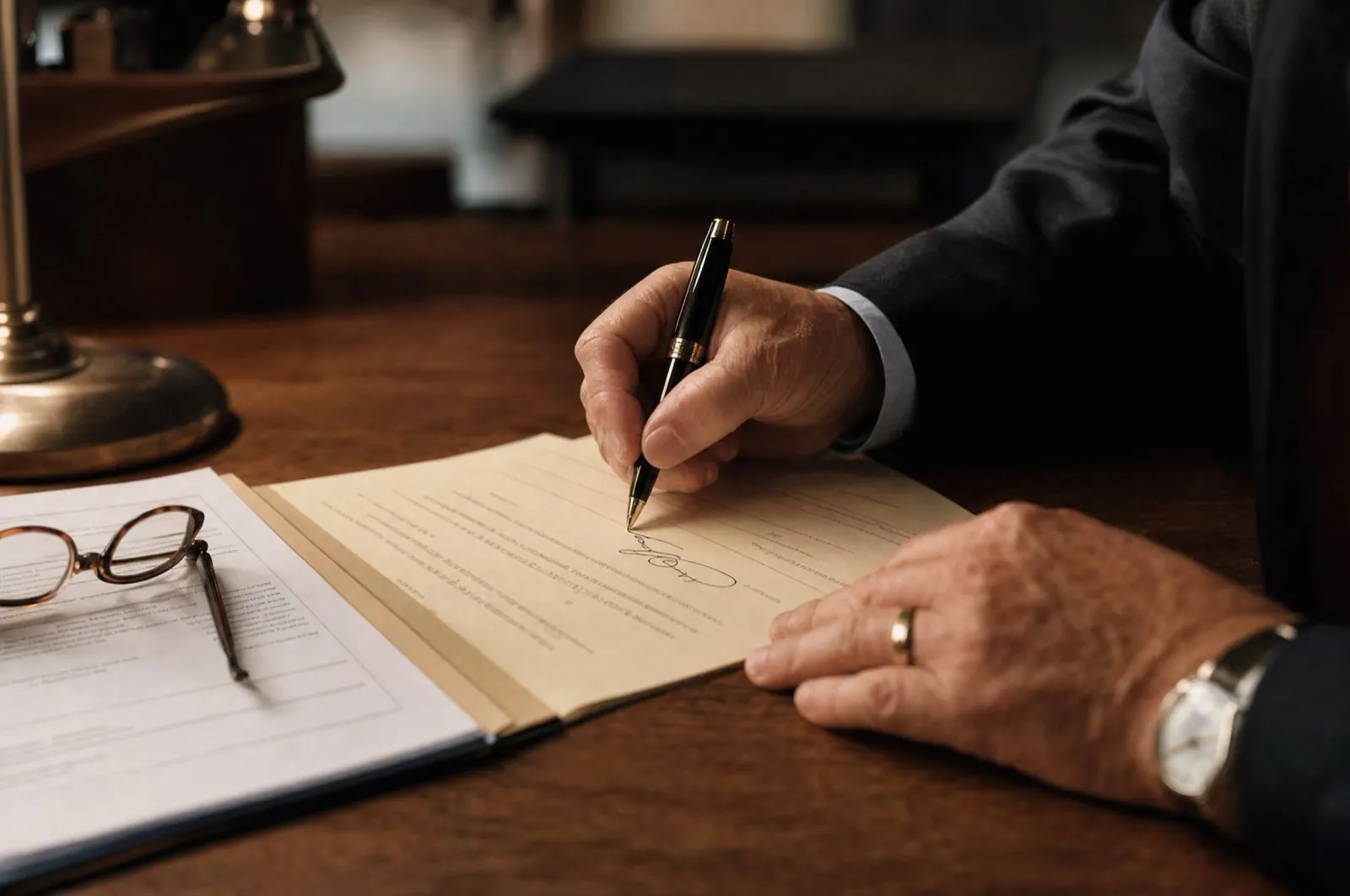
Who Files FL-110 (and Who Issues It)
The Petitioner, the spouse who starts the case, prepares FL-110 and files it with the Superior Court clerk at the same time as the Petition (form FL-100). The clerk then issues the Summons: stamping it with the case number and court information so it becomes an official court document the Petitioner can serve on the Respondent.
Because the clerk has to issue it, you cannot serve a Summons you filled out yourself without first filing it. If you filed our companion guide on How to Fill Out Form FL-100, you already know the Petitioner is the one who files first. FL-110 travels with that same Petition through the entire filing and issuance process.
Why FL-110 Is Filed and Served With FL-100
FL-110 and FL-100 are meant to be filed and served together, not separately. The Summons tells the Respondent that a case exists and gives them a deadline, but it does not describe what the case is actually about. The Petition is what states the grounds, the property, and what the Petitioner is asking the court to grant.
If a Respondent is served with only one of the two documents, they do not have complete notice of the case against them. Courts expect both to be served as a set, generally by someone over 18 who is not a party to the case, so the Respondent receives the full picture at once.
The Caption and Parties Section
At the top of FL-110, you will find the same caption information used across your case:
- The name of the Superior Court and county where the case is filed
- The full legal names of the Petitioner and Respondent
- The case number, once the clerk assigns it
Use full legal names exactly as they appear on your marriage or domestic partnership certificate, and keep them identical across every form you file. Small differences here, a maiden name on one form and a married name on another, a middle initial that appears sometimes and not other times, can cause confusion for the clerk and for whoever serves the Respondent.
The Notice to the Respondent: 30 Days to Respond
The center of FL-110 is the formal notice to the Respondent. In plain terms, it tells the Respondent that a case has been filed against them and that they generally have 30 days from the date they are served to file a Response (form FL-120) with the court.
If the Respondent does not file a Response within that window, the Petitioner may be able to move the case forward through a default process, based largely on what was requested in the Petition. This is one reason accuracy on FL-100's requests for relief matters so much: in a default, the court generally cannot grant more than what was originally requested.
The 30 day clock starts on the date of service, not the date the Petition was filed. Keep careful proof of when and how the Respondent was served.
The Restraining Orders (ATROs) on the Back of FL-110
The second page of FL-110 lists the Standard Family Law Restraining Orders, commonly called ATROs (Automatic Temporary Restraining Orders). These take effect automatically, without either spouse asking a judge for them, once the Summons is served on the Respondent (and, for the Petitioner, once the Petition is filed).
While the case is pending, and unless both spouses agree in writing or a court orders otherwise, the ATROs generally restrain both parties from:
- Removing minor children of the parties from the state of California without the other party's consent or a court order
- Cashing, borrowing against, canceling, transferring, or changing the beneficiaries of any insurance policy, including life, health, automobile, and disability insurance, without the other party's consent or a court order
- Transferring, encumbering, hypothecating, concealing, or disposing of any property, real or personal, whether community, quasi-community, or separate, outside the ordinary course of business, without the other party's written consent or a court order
- Creating or modifying a nonprobate transfer, or changing beneficiaries on retirement or insurance accounts, in a way that affects the other party's rights, without the other party's written consent or a court order
These orders are meant to preserve the status quo, so neither spouse can make major moves with children, insurance, or property before the court has had a chance to weigh in. They generally allow ordinary, everyday transactions to continue, such as paying regular bills or expenses.
Where to Find Legal Help Listed on the Form
FL-110 also includes information directing both parties to sources of legal help. Near the notice to the Respondent, the form points readers toward:
- The Superior Court's self-help center in the county where the case is filed
- The county bar association's lawyer referral service
- Legal aid offices that may assist those who qualify based on income
These resources are printed directly on the form because the Summons is often the first document a Respondent sees, sometimes before they know a case exists at all. Whether you are the Petitioner or the Respondent, it is worth reviewing your county's self-help center resources early, especially to understand how the ATROs affect day-to-day decisions.
Common Mistakes to Avoid
- Serving the Petition without also serving the Summons, or vice versa, which leaves the Respondent without complete notice of the case
- Assuming the ATROs only restrain the Respondent, when in fact they bind the Petitioner too, from the moment the Petition is filed
- Using inconsistent names across FL-100 and FL-110, such as a maiden name on one form and a married name on the other
- Missing or losing proof of service, which makes it hard to establish exactly when the Respondent's 30 day response period began
- Taking an action that violates the ATROs, such as changing an insurance beneficiary, without realizing the restriction applied automatically
Frequently Asked Questions
What is Form FL-110 used for?
Form FL-110 is the California Judicial Council Summons (Family Law). It officially notifies the Respondent that a divorce, legal separation, or nullity case has started, tells them how long they have to respond, and puts the Standard Family Law Restraining Orders (ATROs) into effect once it is served.
Who issues the FL-110 Summons?
The Superior Court clerk issues the Summons when the Petitioner files it along with the Petition (form FL-100). The Petitioner prepares FL-110, but it is not valid until the clerk has stamped and issued it.
How long does the Respondent have to respond after being served with FL-110?
The Respondent generally has 30 days from the date of service to file a Response (form FL-120). Missing this window can allow the Petitioner to move toward a default judgment based on what was requested in the Petition.
What are the ATROs on Form FL-110?
ATROs stands for Automatic Temporary Restraining Orders. They are printed on the back of the Summons and restrain both parties, without either spouse having to ask a judge for them, from removing minor children from the state, canceling or changing insurance coverage, transferring, selling, or borrowing against property outside the ordinary course of business, and changing beneficiaries on insurance or retirement accounts, all without the other spouse's written consent or a court order.
Do the ATROs only restrain the Respondent?
No. This is one of the most common misunderstandings about FL-110. The ATROs bind both the Petitioner and the Respondent from the moment the Summons is served on the Respondent (and, for the Petitioner, from the moment the Petition is filed). Both spouses are equally restrained while the case is pending.
Can FL-110 be filed by itself, without the Petition?
No. FL-110 is filed and served together with form FL-100 (the Petition). The Summons alone does not state what the case is about; it depends on the Petition to give the Respondent the substance of what is being requested.
What happens if the Respondent is never served with the Summons?
If the Respondent is not properly served with both the Summons and the Petition, the case generally cannot move forward against them, and the 30 day response clock does not start. Proper service is what gives the court authority over the Respondent.
How Virdix Helps With FL-110
The Summons looks simple, but it carries real consequences: it starts the Respondent's 30 day clock and puts restraining orders in place for both spouses at once. Virdix is built to help you get it right the first time:
- Consistent names and captions, carried automatically from your Petition to your Summons, so nothing gets mismatched
- Plain-language explanations of the ATROs, so you understand what they restrain before you act
- Filing checklists, so the Summons and Petition are prepared to be filed and served together
- County-specific self-help resources, if you want a human to talk through anything before you serve
We don't replace an attorney for contested or complex cases, but for straightforward filings, Virdix helps make sure your Summons is complete and consistent with the rest of your paperwork.
Start Your California Filing →
Last updated: July 2026. This article is for informational purposes only and does not constitute legal advice. Virdix is a document preparation service, not a law firm, and does not provide legal advice. For advice about your specific situation, consult a licensed California family law attorney.
Sources: California Courts Self-Help Center (selfhelp.courts.ca.gov), Judicial Council of California