Form FL-180, Judgment, is the last form in a California divorce, legal separation, or nullity case, and the most consequential. Once a judge signs it, FL-180 stops being paperwork and becomes a binding court order: the Judgment that ends the marriage or domestic partnership, or grants the legal separation or nullity that was requested.
Key Takeaway: FL-180 is the form that becomes your final Judgment once a judge signs it. It records which type of case you have, states the date your marital status changes, and attaches the agreements and orders (property, support, custody) that resolve your case. It is filed together with Form FL-190, Notice of Entry of Judgment.
What Is Form FL-180?
Form FL-180 is the California Judicial Council form titled "Judgment." It is not a request, like the Petition (FL-100) or Response (FL-120); it is the document a judge reviews and signs to officially resolve the case.
Once signed, FL-180 becomes the court's final word on your case. It identifies the parties and case number, states which outcome the court is granting, sets the date your marital status changes, and attaches or incorporates the terms that actually resolve property, support, and custody. Everything that came before it, the Petition, the Response, disclosures, and any settlement agreement, exists to build toward this one form.
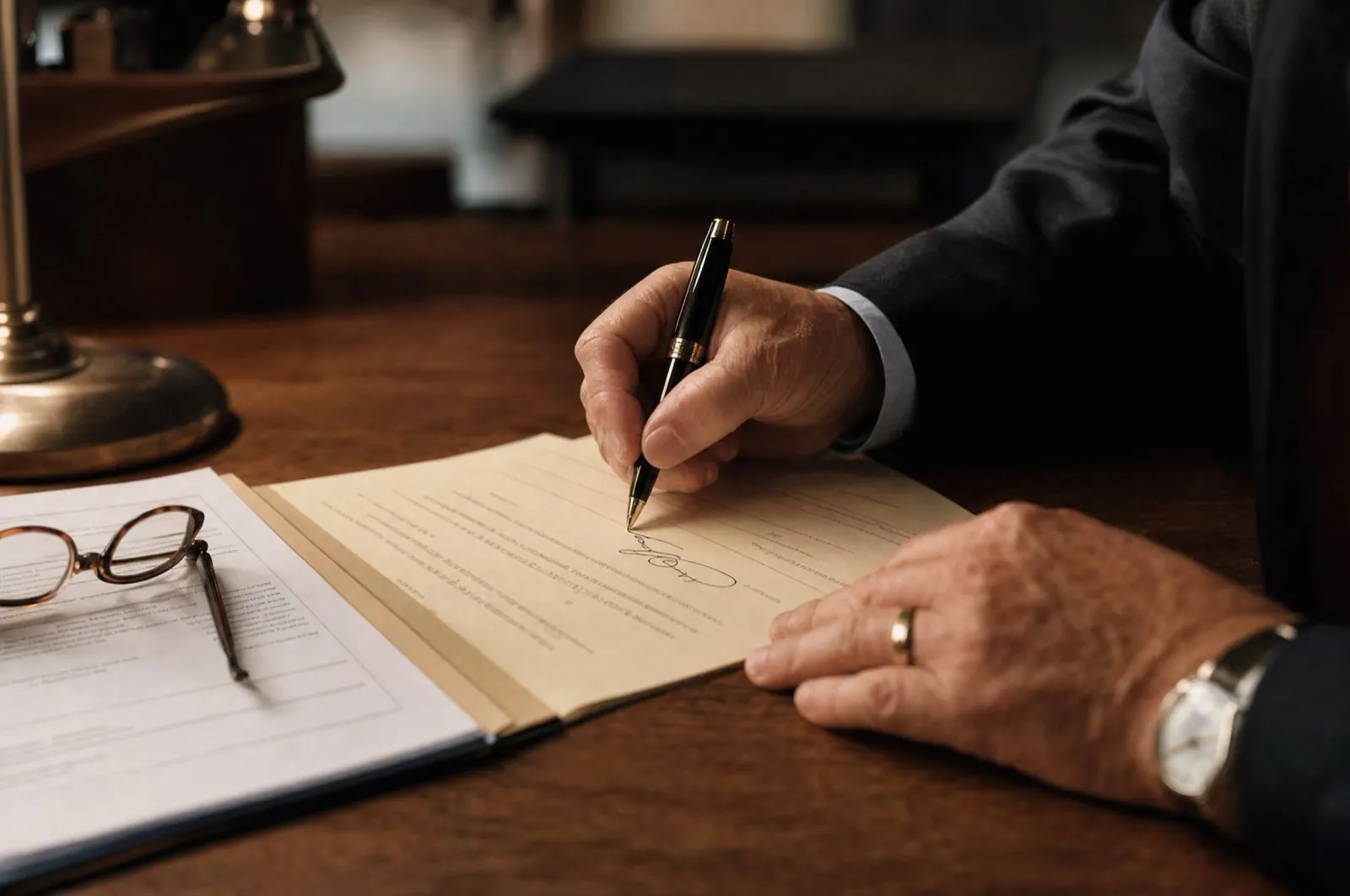
Types of Judgment: Dissolution, Legal Separation, or Nullity
FL-180 covers the same three outcomes available on the original Petition:
- Dissolution, ending the marriage or domestic partnership entirely
- Legal separation, resolving property, support, and custody without ending the marital status
- Nullity, a court finding that the marriage or partnership was never legally valid
The type of judgment entered on FL-180 has to match what was actually requested and litigated in the case. A judge will not sign a dissolution judgment if the Petition only asked for legal separation, for example, so this section simply confirms the outcome the case has already been built around.
Section-by-Section Walkthrough of FL-180
Here is what the form actually asks for.
1. Case and Party Information
At the top, you'll enter the county, case number, and the full legal names of the Petitioner and Respondent, exactly as they appear on the rest of your case file. Consistency with your Petition and Response matters here more than almost anywhere else in the process.
2. Type of Judgment
You'll check the box for dissolution, legal separation, or nullity, matching the outcome your case has actually reached.
3. Judgment Date and Effective Date
This section states the date the judge signs the judgment, and separately, the date your marital status actually changes. These are often different dates, and the difference matters for benefits, taxes, and remarriage.
4. Attachments and Incorporated Agreements
FL-180 references and attaches the documents that resolve the substance of your case, most commonly a Marital Settlement Agreement. Instead of retyping every term, the judgment simply incorporates the attached agreement by reference, so the judgment and the agreement have to be entirely consistent with each other.
5. Other Orders
If your case involves custody, visitation, or child support, those orders are attached as well, generally on their own Judicial Council forms rather than rewritten inside FL-180 itself.
Every term in FL-180 and its attachments has to match your underlying Marital Settlement Agreement exactly. A judgment that conflicts with the signed agreement is a common reason courts reject a submission and send it back for correction.
The Date Your Marriage Ends (and the Waiting Period)
One of the most important entries on FL-180 is the effective date, the date your marital status actually changes from married to single (or, for a domestic partnership, the date it legally ends).
California requires a mandatory six month waiting period before a marriage or partnership can end, measured from the date the Respondent was served. Practically, this means the effective date on FL-180 cannot be earlier than six months and one day after service. The judge can sign the judgment itself before that date arrives, but the actual change in marital status cannot take effect any sooner.
This waiting period applies no matter how quickly both spouses agree on every term, and it cannot be waived by mutual consent. For a full breakdown of how this timeline fits into the rest of the process, see How Long Does Divorce Take in California?

Attachments to FL-180
What gets attached to FL-180 depends on what your case actually resolves, but the following are common:
| Attachment | Purpose | When It's Typically Required |
|---|---|---|
| Marital Settlement Agreement | Records the couple's agreed terms on property, debt, and support | Whenever the case is resolved by agreement rather than trial |
| FL-341 (Custody and Visitation Order) | Sets the custody and parenting time arrangement | If the case involves minor children |
| FL-342 (Child Support Order) | Sets the child support amount and terms | If child support was requested or ordered |
| Other property or support orders | Documents any additional terms specific to the case | As applicable to your case |
Missing or inconsistent attachments are one of the most common reasons a judgment is not signed on the first submission.
FL-190: Notice of Entry of Judgment
Form FL-190, Notice of Entry of Judgment, is filed together with FL-180. Once the court clerk enters the signed judgment into the court's records, the clerk uses FL-190 to formally notify both parties that entry has occurred.
The clerk mails a filed copy of FL-190 to both the Petitioner and the Respondent. This notice matters beyond formality: it documents the exact date the judgment was entered, which can be relevant for deadlines tied to appeals, remarriage, and other post-judgment steps.
Common Mistakes to Avoid
- Listing an effective date earlier than the six month and one day waiting period allows
- Submitting FL-180 without the required attachments, such as the Marital Settlement Agreement, FL-341, or FL-342
- Terms in the judgment that do not match the signed settlement agreement word for word
- Inconsistent names, case numbers, or dates compared with the Petition and Response
- Forgetting to submit Form FL-190 along with FL-180
- Requesting an outcome (dissolution, legal separation, or nullity) that does not match what was actually requested earlier in the case
What Happens After Judgment
Once FL-180 is signed and entered, a few things typically follow:
- The court clerk enters the judgment into the official case record
- The clerk mails FL-190 to both parties as notice of entry
- Your marital status changes on the effective date stated in the judgment, not necessarily the signing date
- You may want to request certified copies of the judgment for name changes, benefits, or other post-judgment needs
If you're still early in the process and weighing whether to prepare your own paperwork through to judgment, our guide on How to File for Divorce in California Without a Lawyer walks through the full self-represented path that leads up to this final form.
Frequently Asked Questions
What is Form FL-180 used for?
Form FL-180 is the California Judicial Council Judgment form. Once a judge reviews and signs it, FL-180 becomes the official court order ending a marriage or domestic partnership, or granting a legal separation or nullity. It records the case type, the effective date, and incorporates the agreements and orders that resolve property, support, and custody.
Who prepares Form FL-180?
In most uncontested cases, the Petitioner (or their document preparer) prepares FL-180 and submits it to the court along with the Marital Settlement Agreement and any required attachments. The judge reviews the package and signs the judgment if everything is complete and consistent with what was requested in the Petition.
When does my marriage actually end after FL-180 is signed?
Your marriage ends on the effective date stated on FL-180, not necessarily the date the judge signs it. That effective date cannot fall earlier than the day after California's mandatory six month waiting period expires, which is calculated from the date the Respondent was served.
What has to be attached to FL-180?
Common attachments include the Marital Settlement Agreement (or other written agreement resolving property and support), a child custody and visitation order (Form FL-341) if there are minor children, and a child support order (Form FL-342) if child support was requested. Exact attachments depend on what your case actually resolves.
What is FL-190 and do I need it?
Form FL-190, Notice of Entry of Judgment, is filed together with FL-180. After the court clerk enters the judgment, the clerk mails FL-190 to both parties as official notice that the judgment has been entered. It is a required companion form, not an optional one.
Can I get a judgment before the six month waiting period ends?
The court can enter the judgment itself before the waiting period ends, but the effective date, the date your marital status actually changes, cannot be earlier than six months and one day after the Respondent was served. This waiting period cannot be shortened, even if both spouses agree on every term.
What if the judge does not sign FL-180 exactly as submitted?
If the judge finds an error, an inconsistency with the Petition, or a missing attachment, the court will typically reject the submission and return it with instructions, rather than sign a judgment that does not match the case record. Correcting and resubmitting FL-180 can add delay, which is why accuracy and consistency with your settlement agreement matter so much.
How Virdix Helps With FL-180
By the time a case reaches FL-180, small inconsistencies, an effective date entered too early, a missing attachment, or a term that drifted from the settlement agreement, are the most common reasons a judgment gets sent back instead of signed. Virdix is built to catch those before you submit:
- Waiting period tracking, so your effective date lines up with California's mandatory six month rule
- Attachment checklists, so FL-341, FL-342, and your settlement agreement are complete before filing
- Consistency checks, so FL-180 matches your Petition, Response, and settlement agreement
- FL-190 included, generated alongside FL-180 rather than handled as an afterthought
We don't replace an attorney for contested cases, but for straightforward filings, Virdix helps make sure your Judgment is complete and consistent the first time it reaches a judge.
Start Your California Judgment Paperwork →
This article is for informational purposes only and does not constitute legal advice. Virdix is a document preparation service, not a law firm, and does not provide legal advice. For advice about your specific situation, consult a licensed California family law attorney.
Sources: California Courts Self-Help Center (selfhelp.courts.ca.gov), Judicial Council of California