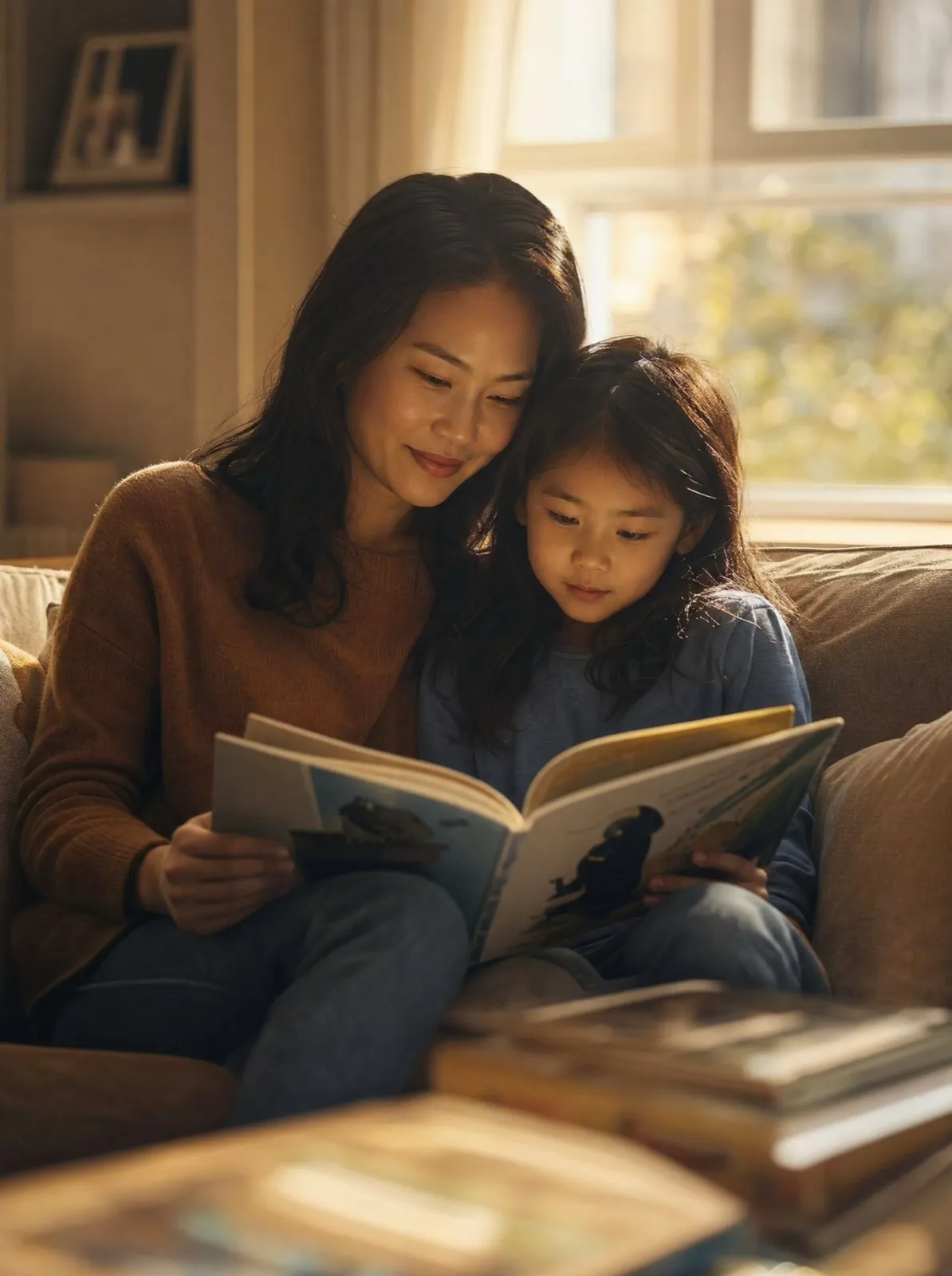
Not every custody and child support case starts with a divorce. When parents were never married, or when there is no marriage or domestic partnership to dissolve, Form FL-260 is the petition that opens the case instead.
Key Takeaway: FL-260, Petition for Custody and Support of Minor Children, asks the court for custody, visitation, and child support orders when the parents are not ending a marriage or domestic partnership. It is generally filed together with the UCCJEA form, FL-105, and served on the other parent along with a blank Response form, FL-270.
What Is Form FL-260?
Form FL-260, titled "Petition for Custody and Support of Minor Children," is the California Judicial Council form that opens a family law case focused on children rather than on ending a marriage. Filing it asks the court to make orders on:
- Legal custody: who has the right to make decisions about the child's health, education, and welfare
- Physical custody: where the child primarily lives
- Visitation, also called parenting time, for the parent who does not have primary physical custody
- Child support, based on both parents' incomes
Unlike a divorce petition, FL-260 does not ask the court to end any marriage or domestic partnership. Its focus is entirely on the child or children involved.
Filing FL-260 opens what is generally called a parentage case, sometimes referred to informally as a paternity case when it involves establishing or confirming a father's legal relationship to a child. Once the case is open, it moves through many of the same milestones as other family law matters, including service on the other parent, an opportunity to respond, and ultimately a hearing or an agreement that becomes a court order.
Who Should Use FL-260
According to the California Courts Self-Help Center, FL-260 is for parents in situations that fall outside of divorce or domestic partnership dissolution, including when:
- You are not ending a marriage or domestic partnership
- You are not married but have legally adopted a child together
- You are not married but have a signed voluntary declaration of paternity
- A juvenile court order names you as the child's parents
FL-260 assumes that parentage, meaning who the legal parents are, is already established or can be established through an existing voluntary declaration of paternity or court order. If parentage itself is disputed or has not yet been legally established, that is generally addressed through a separate parentage case before or alongside custody and support requests. Check with your county Superior Court self-help center if you are unsure whether parentage needs to be established first.
FL-260 vs. a Divorce Petition
It helps to see these forms side by side.
- FL-100, Petition, Marriage/Domestic Partnership: Used to start a divorce or legal separation case. Custody, visitation, and support of any children of the marriage or partnership are typically requested as part of that same case.
- FL-260, Petition for Custody and Support of Minor Children: Used when there is no marriage or domestic partnership involved at all, such as between unmarried parents. The case is only about the children, not about ending a marital relationship.
Filing the wrong petition type for your situation can create confusion and delay. If you were married to the other parent and are also seeking a divorce, FL-100 is generally the correct starting point, with custody and support requested within that case rather than through FL-260.
The underlying custody, visitation, and support orders a judge can issue look similar regardless of which petition opened the case. What differs is the case type itself and the surrounding paperwork, since a divorce case also has to address property division, spousal support, and formally ending the marriage, while an FL-260 case is narrowly focused on the children.
Before You Start
Before completing FL-260, gather:
- Full legal names, dates of birth, and current addresses for you, the other parent, and each child
- Information showing how parentage was established, such as a signed voluntary declaration of paternity or an adoption or juvenile court order
- Your income information, since the court will need it to calculate child support
- Details about where each child has lived over roughly the last five years, which you will need for the accompanying UCCJEA form
- Parentage already established through adoption, a voluntary declaration of paternity, or a juvenile court order
- Complete information about the other parent for service of process
- Your own income information ready for the child support portion of the case
- A five-year residence history for each child on hand for the UCCJEA form
Filling Out FL-260 Section by Section
Party and Court Information
Fill in the Superior Court branch and county where you are filing, along with your name and the other parent's name. Consistency with any related documents, such as a voluntary declaration of paternity, matters here.
Children's Information
List each child's full name, date of birth, and sex. Every child you are asking the court to make custody, visitation, or support orders for needs to be listed.
How Parentage Was Established
FL-260 asks you to identify the basis for the parent-child relationship, such as a signed voluntary declaration of paternity, a legal adoption, or a juvenile court order naming the parents. This section is what distinguishes FL-260 filers from divorcing spouses; it confirms parentage exists without a marriage or domestic partnership behind it.
Requests for Custody, Visitation, and Support
Indicate what orders you are asking the court to make: legal custody, physical custody, a visitation or parenting time schedule, and child support. You are not required to have every detail worked out at filing; these requests can be refined as the case proceeds, including through mediation or a hearing.
Signature
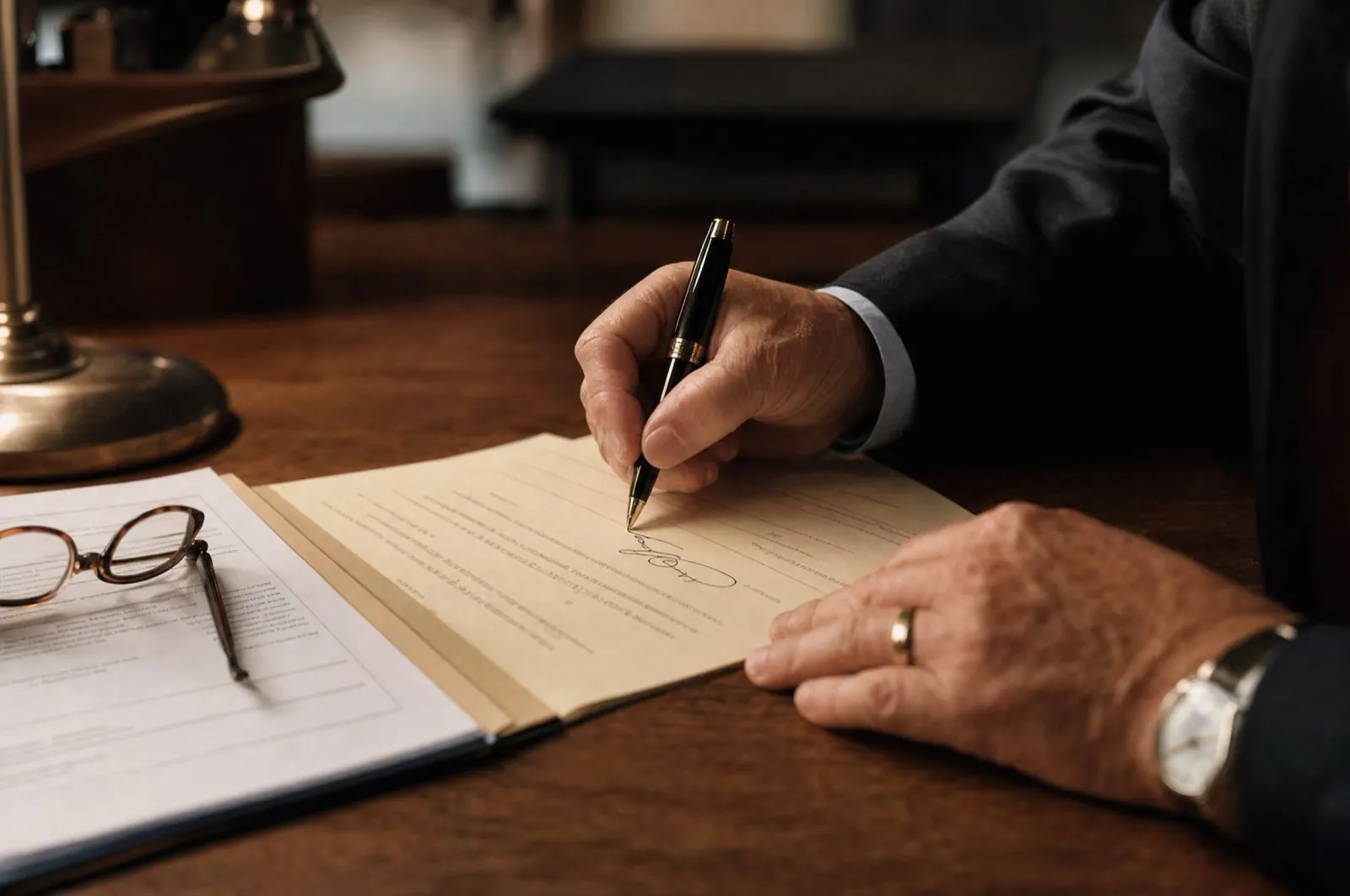
Sign and date the petition. Filing a petition is the formal start of your case, so review every section for accuracy before you sign.
Take your time on this section in particular. Once filed, your petition becomes the formal starting point the rest of your case builds on, and the other parent's Response will be measured against what you requested here. California courts generally allow custody and support requests to be stated in general terms at filing and refined later, including through mediation or a hearing, so the petition does not need every detail worked out on day one. Depending on your situation, your filing typically includes:
- Form FL-105, the Declaration Under the Uniform Child Custody Jurisdiction and Enforcement Act (UCCJEA), which tells the court which state has jurisdiction over custody based on where the child has lived
- Any voluntary declaration of parentage or adoption paperwork that establishes the parent-child relationship, if not already on file
- A blank Form FL-270, Response to Petition for Custody and Support of Minor Children, which is served on the other parent along with your petition so they have what they need to respond
- File FL-260 together with FL-105 (UCCJEA)
- Include documentation establishing parentage if it is not already part of the court record
- Serve a blank FL-270 Response form on the other parent along with your petition
After You File: Serving the Other Parent
Filing FL-260 with the clerk opens your case, but the other parent still needs to be formally served with the petition and accompanying documents. After service, you file a Proof of Service, Form FL-115, confirming that the other parent received the paperwork.
Once served, the other parent generally has an opportunity to file a Response using Form FL-270. From there, the case proceeds much like other custody matters, potentially including mediation, temporary orders through a Request for Order (Form FL-300), and eventually a final custody, visitation, and support order.
If you and the other parent are able to reach an agreement on custody, visitation, and support before or shortly after filing, that agreement can often be documented and submitted to the court, which can shorten how long the case takes to resolve. If you cannot agree, most California family courts require both parents to attend mediation on custody and visitation issues before a judge will hear the matter, so expect that step to come up somewhere between filing and a hearing.
Common Mistakes to Avoid
- Filing FL-260 when a divorce or domestic partnership dissolution petition (FL-100) is actually the correct starting point
- Leaving out a child from the petition who should be included
- Filing FL-260 without the accompanying UCCJEA form, FL-105
- Not including documentation of how parentage was established when it is not already on file with the court
- Forgetting to serve a blank FL-270 Response form on the other parent along with the petition
- Providing incomplete income information, which can leave a child support calculation based only on the other parent's reported income
Frequently Asked Questions
What is Form FL-260 used for?
Form FL-260, Petition for Custody and Support of Minor Children, is the California Judicial Council form that opens a family court case asking for custody, visitation (parenting time), and child support orders when the parents are not divorcing or ending a domestic partnership.
Who is eligible to file FL-260?
According to the California Courts Self-Help Center, FL-260 is for people who are not ending a marriage or domestic partnership, who are not married but have legally adopted a child together, who are not married but have a signed voluntary declaration of paternity, or whose parentage has been established by a juvenile court order naming them as the child's parents.
How is FL-260 different from filing for divorce?
A divorce or legal separation petition (Form FL-100) asks the court to end a marriage or domestic partnership, and custody and support orders can be part of that case. FL-260 is used when there is no marriage or domestic partnership to end, such as between unmarried parents whose parentage has already been legally established.
Do I need to file anything besides FL-260?
Yes. FL-260 is generally filed together with a Declaration Under the Uniform Child Custody Jurisdiction and Enforcement Act, Form FL-105, and a blank Response form, Form FL-270, is served on the other parent along with your petition. Depending on your situation, you may also need a voluntary declaration of parentage or other supporting documents.
Will the court set child support if I file FL-260?
The court can set child support based on the incomes of both parents in a case opened with FL-260. Supplying accurate income information matters, because if you do not provide it, the court may base the support order on income information supplied only by the other parent.
Can Virdix tell me whether I should file FL-260 or a different form?
Virdix can help you understand the general categories these forms are built for and prepare your paperwork once you know which path applies to you, but Virdix is a document preparation service, not a law firm, and cannot tell you which filing is legally correct for your specific situation. If you are unsure which form fits your case, consult a licensed California family law attorney or your county Superior Court self-help center.
How Virdix Helps With FL-260
Opening a custody and support case involves more than one form, and keeping them consistent with each other matters. Virdix is built to help:
- Guided intake, walks you through party information, children's details, and how parentage was established
- Companion forms, helps prepare the UCCJEA declaration, Form FL-105, alongside your FL-260 petition
- Consistency checks, keeps names and case details aligned across your petition and any related paperwork
- Filing checklist, reminds you what to file with the court and what to serve on the other parent
If your case involves ending a marriage or domestic partnership rather than a standalone custody matter, see our guide on filing for divorce in California, which covers the Petition, Form FL-100, and the forms that go with it. You can also browse our California divorce guides for related family court procedures. Virdix does not tell you which petition is legally correct for your situation. That is a legal question, and if you are unsure, a licensed attorney or your court's self-help center can help.
Start Your California Filing →
This article is for informational purposes only and does not constitute legal advice. Virdix is a document preparation service, not a law firm, and does not provide legal advice. For advice about your specific situation, consult a licensed California family law attorney.
Sources: California Courts Self-Help Center (selfhelp.courts.ca.gov), Judicial Council of California